- Cataliq Laboratories - "Friday: Off. Factory timing: 11:00 AM – 6:00 PM."
- +91-9265066949
- +91-9327003915
- info@cataliqlabs.com

Veterinary Bolus Medicine For Animal Health

Top 10 Veterinary Medicine Companies in Ahmedabad
September 21, 2026
Oxyclozanide and Levamisole Bolus Brands in India (FLUDEN-LV)
October 16, 2026
Veterinary Bolus Medicine For Animal Health: A Comprehensive Guide for Livestock Care – Cataliq Labs
Maintaining optimal health in livestock is essential for sustainable farming, food production, and overall animal welfare. Farmers and livestock owners face ongoing challenges in managing health conditions, nutrient deficiencies, and metabolic disorders in farm animals. To address these challenges effectively, livestock managers rely on specialized healthcare products designed for targeted delivery. Among these solutions, veterinary bolus medicine for animal health plays a critical role in modern animal care practices.
A bolus is a large, specially formulated pill designed for oral administration to large animals like cattle, sheep, goats, and horses. Because livestock present unique anatomical considerations, standard human or small-animal dosage forms are often ineffective. Incorporating high-quality veterinary bolus medicine for animal health allows farmers and veterinarians to deliver accurate doses directly into the animal’s digestive system.
Proper animal healthcare requires reliable methods for administering therapeutic compounds, essential minerals, and vitamins. As the livestock industry evolves, companies like Cataliq Labs contribute to the availability of trustworthy formulations designed for agricultural needs. Selecting appropriate veterinary bolus medicine for animal health ensures that cattle and other farm animals receive consistent support, enhancing their performance, reproductive health, and overall well-being.
What Is Veterinary Bolus Medicine?
A veterinary bolus is a large tablet or capsule engineered specifically for large animals. Unlike small pills intended for domestic pets, a bolus accommodates the higher body mass and unique digestive physiology of ruminants and equines. Utilizing veterinary bolus medicine for animal health offers a straightforward way to deliver active pharmaceutical ingredients, electrolytes, or dietary supplements directly into the digestive tract.
How Boluses Are Administered
Administering a bolus requires specific tools and gentle handling techniques to prevent injury and ensure accurate delivery:
- Balling Guns / Bolus Applicators: Caregivers use a specialized plastic or metallic tube (a balling gun) to insert the bolus over the back of the animal’s tongue.
- Reflex Swallowing: Once placed near the pharynx, the animal’s natural swallowing reflex carries the bolus down the esophagus into the rumen or stomach.
- Controlled Breakdown: Depending on the formulation, the bolus dissolves quickly for immediate absorption or breaks down slowly over time to provide prolonged therapeutic action.
Why Bolus Formulations Are Useful
Dosage forms must adapt to the practical realities of livestock handling. Liquid drenches can lead to accidental aspiration if not administered carefully, and top-dress feed additives may be unpalatable or consumed unevenly. Choosing veterinary bolus medicine for animal health minimizes these risks by ensuring that the animal receives the exact intended quantity of medicine in a single, controlled dose.
Importance of Veterinary Bolus Medicine For Animal Health
Proper medical intervention is crucial for preventing economic losses caused by untreated illnesses in herd management. Utilizing effective veterinary bolus medicine for animal health protects herds against widespread health complications, metabolic imbalances, and nutritional deficiencies. Healthy livestock produce higher milk yields, gain weight efficiently, and display stronger immune responses.
The accurate dosing provided by veterinary bolus medicine for animal health reduces the risk of under-dosing or over-dosing, both of which can compromise treatment outcomes. Under-dosing may contribute to therapeutic failure or antimicrobial resistance, while over-dosing can cause toxicity. Therefore, administering well-formulated boluses according to strict protocols safeguards animal productivity and health.
Veterinary professionals emphasize that medical administration should always align with professional diagnostic insights. When livestock managers utilize high-quality veterinary bolus medicine for animal health under the guidance of a qualified veterinarian, they establish a solid foundation for sustainable livestock development.
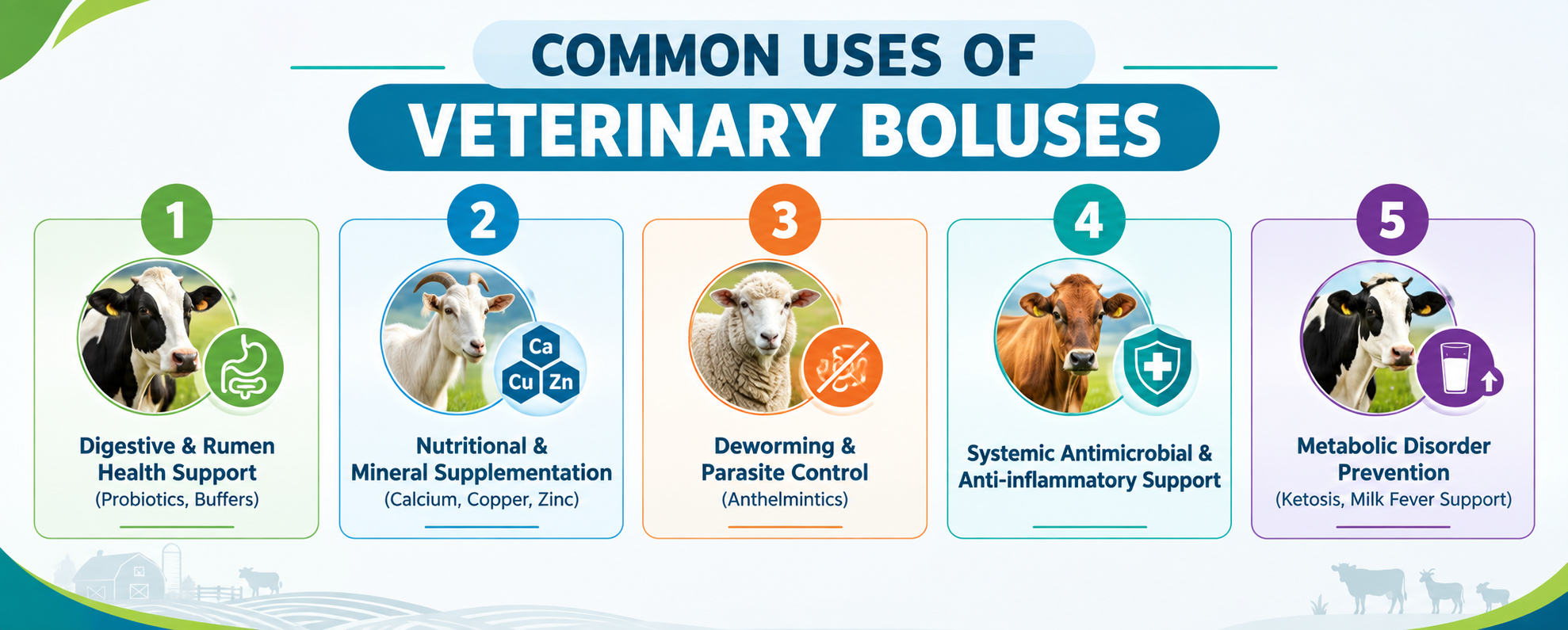
Common Uses of Veterinary Bolus Medicines
Veterinary boluses address a broad range of therapeutic and preventative healthcare requirements in farm animals. The versatility of these solid dosage forms makes them an essential element of modern veterinary care.
1. Digestive Health and Rumen Buffering
Ruminants depend heavily on a balanced microbial ecosystem within the rumen to digest fibrous plant material. Sudden dietary changes or high-concentrate feeds can disrupt this balance, leading to rumen acidosis or bloat. Specialized veterinary bolus medicine for animal health containing buffers, yeast, or digestive stimulants helps restore normal digestive function and stabilize pH levels.
2. Mineral and Nutritional Supplementation
Grass and forage often lack necessary trace elements such as selenium, copper, cobalt, and iodine. Slow-release veterinary bolus medicine for animal health can supply continuous, long-term mineral supplementation to grazing cattle, preventing deficiencies that lead to poor growth, dull coats, and fertility issues.
3. Parasite Management
Internal parasites like gastrointestinal worms and liver flukes diminish animal vitality and milk production. Deworming formulations delivered as veterinary bolus medicine for animal health offer a practical way to manage worm burdens, supporting systemic recovery and weight gain across the herd.
4. Supporting Antimicrobial and Anti-Inflammatory Therapies
When animals suffer from systemic infections, respiratory diseases, or post-calving complications, veterinarians may prescribe antibiotic or anti-inflammatory boluses. Using reliable veterinary bolus medicine for animal health ensures systemic therapeutic levels are met efficiently, aiding in rapid recovery.
Benefits of Bolus Formulations for Livestock
The primary advantage of bolus administration lies in its practical application for herd management. When treating large groups of farm animals, efficiency, convenience, and safety are top priorities for herd managers.
- Precise Dosage Control: Every individual unit delivers a pre-measured quantity of active ingredients. This eliminates estimation errors common with liquid mixtures or feed additives, making veterinary bolus medicine for animal health a accurate choice.
- Reduced Wastage: Feed additives can be blown away by wind, washed out by rain, or rejected by picky eaters. A bolus is ingested directly, ensuring zero wastage of critical healthcare investments.
- Sustained-Release Options: Advanced engineering allows certain boluses to remain in the reticulum or rumen for extended periods, slowly leaching essential minerals or nutrients over weeks or months.
- Minimized Animal Stress: Fast, direct administration reduces the handling time required per animal, decreasing stress levels for both livestock and farm personnel.
Integrating trusted veterinary bolus medicine for animal health into regular maintenance schedules simplifies animal husbandry and supports consistent health monitoring across the farm.
Factors to Consider When Choosing Veterinary Bolus Medicine
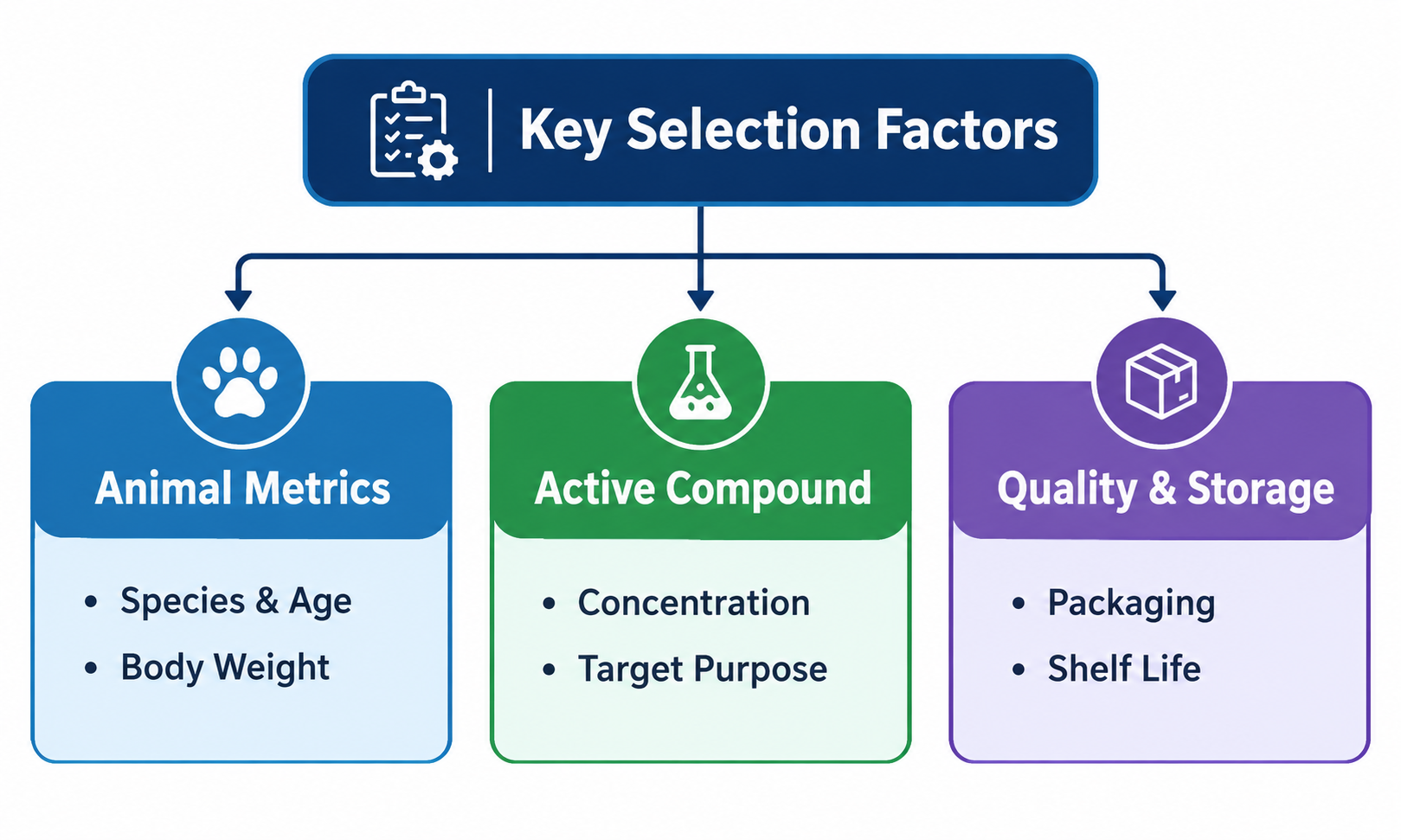
Selecting the right product requires careful consideration of several operational and physiological factors. Livestock owners should evaluate these aspects in consultation with their herd veterinarian before purchasing any veterinary bolus medicine for animal health.
Animal Species, Age, and Weight
Dosage requirements vary greatly between a mature dairy cow, a growing calf, a sheep, or a goat. Using a high-potency veterinary bolus medicine for animal health intended for cattle on smaller ruminants can cause adverse side effects. Always verify that the physical size and strength of the bolus match the target animal’s size and age.
Active Ingredients and Intended Purpose
Identify the specific health issue being addressed—whether it is an acute microbial infection, a chronic mineral deficiency, or digestive upset. Choosing the appropriate veterinary bolus medicine for animal health requires matching the formulation’s active compounds to the diagnosed condition.
Quality, Packaging, and Storage
Veterinary products must remain stable under various environmental conditions on the farm. Look for securely packaged veterinary bolus medicine for animal health that protects against moisture, extreme temperatures, and physical degradation. Organizations like Cataliq Labs focus on providing well-packaged pharmaceutical options that maintain stability throughout their shelf life.
Role of Cataliq Labs in Veterinary Healthcare
As the global demand for high-quality livestock care grows, pharmaceutical developers play an essential role in manufacturing reliable therapeutic options. Cataliq Labs contributes to the livestock healthcare sector by offering diverse formulations designed to address common animal health demands.
By focusing on functional, well-researched dosage forms, Cataliq Labs supports veterinarians, farmers, and livestock managers in maintaining animal health standards. The availability of dependable veterinary bolus medicine for animal health from dedicated companies helps ensure that livestock caretakers have access to practical solutions for field conditions.
Cataliq Labs emphasizes product integrity and practical usability. Their emphasis on delivering structured formulations assists livestock managers in maintaining effective health routines for cattle, dairy herds, and small ruminants alike. Incorporating quality-conscious options like those associated with Cataliq Labs enables farm operators to build reliable wellness strategies around proven veterinary bolus medicine for animal health.
Why Proper Veterinary Guidance Matters
While veterinary bolus medicine for animal health offers significant convenience, responsible medicine administration requires ongoing professional oversight. Unsupervised use of powerful pharmaceuticals can result in ineffective treatments, animal injury, or unwanted residue in consumer food supplies.
Diagnostic Precision
Self-diagnosing livestock conditions can lead to misdirected treatments. A qualified veterinarian possesses the diagnostic skills required to pinpoint whether an animal requires an antimicrobial, an antiparasitic, or a nutritional support bolus. Relying on professional expertise ensures that the selected veterinary bolus medicine for animal health targets the true root cause of illness.
Adherence to Withdrawal Periods
When administering therapeutic veterinary bolus medicine for animal health to food-producing animals, caregivers must strictly follow withdrawal periods for milk and meat. Withdrawal periods ensure that pharmaceutical residues exit the animal’s system completely before animal products enter the human food supply chain.
Safe Administration Techniques
Improper use of a balling gun can cause trauma to the pharynx or esophagus, leading to severe inflammation or aspiration pneumonia. Seeking professional guidance ensures handlers master correct physical restraint and administration techniques when giving veterinary bolus medicine for animal health.
Frequently Asked Questions (FAQs)
Q1: What is a veterinary bolus medicine used for?
A: A veterinary bolus medicine for animal health is a large oral tablet used in livestock care to deliver measured doses of vitamins, minerals, antibiotics, or anthelmintics directly into the animal’s digestive tract.
Q2: How do you administer a veterinary bolus safely to cattle?
A: Caregivers administer a bolus using a specialized tool called a balling gun or bolus applicator. The tool gently places the bolus over the back of the tongue near the pharynx, triggering the animal’s natural swallowing reflex without injuring the throat.
Q3: Why are boluses preferred over liquid drenches for large animals?
A: Boluses provide precise dosing with minimal waste and reduce the risk of accidental liquid aspiration into the lungs. Sustained-release bolus formulations can also provide continuous nutrient release over extended periods.
Q4: Can I administer any veterinary bolus medicine without a veterinarian’s advice?
A: It is always recommended to consult a qualified veterinarian before administering veterinary bolus medicine for animal health. A veterinarian ensures correct diagnosis, accurate dosage calculation, and adherence to safe withdrawal periods for milk and meat.
Conclusion
Effective livestock management depends on consistent healthcare, proper nutrition, and timely disease prevention. Utilizing specialized veterinary bolus medicine for animal health provides a reliable, accurate, and practical method for managing health conditions across cattle, dairy cows, and small ruminants. From restoring digestive equilibrium to supplying essential trace minerals, bolus formulations continue to serve as a cornerstone of modern livestock care.
Maximizing the benefits of these medicines requires combining proper physical administration with diagnostic accuracy and professional oversight. Choosing reliable formulations, such as those provided by Cataliq Labs, supports sustainable herd welfare and enhances agricultural productivity. By integrating quality veterinary bolus medicine for animal health into structured livestock care programs, farm managers can secure long-term health and vitality for their herds.
